How to Correctly Store and Handle Rupture Discs
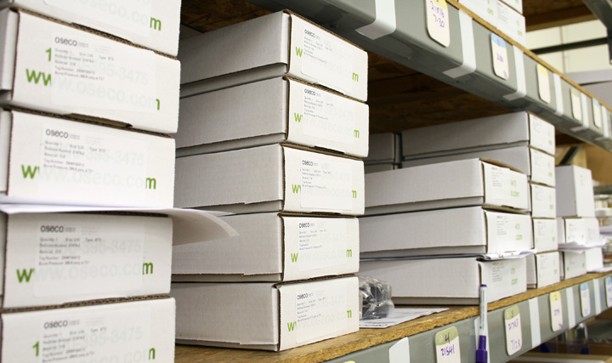
Rupture discs are pressure-sensitive safety devices. They are installed on pressurized equipment to protect plant, people and processes from catastrophic injury and damage. It is essential to store and handle them correctly to prevent damage and ensure they will operate as intended once installed.
This blog outlines the key steps to take for safe storage and handling of a rupture disc.
Storage
The shelf life and condition of a rupture disc depends on how you store it. Rupture discs should be kept in a safe, dry, and clean environment, such as a warehouse or storeroom. They should ideally be stored at ambient temperature and should never be subjected to extremes of either hot or cold temperature.
We recommend you always leave the rupture disc in its original packaging right up until the moment it's installed. Never remove discs or holders from their packaging and stack them on top of each other to save space. Equally, avoid placing weights on top of rupture disc boxes, as this could crush the box and damage the disc inside.
Handling
Read installation instructions thoroughly before removing the rupture disc from its box. You can view and download our installation guides online or contact us directly to request them.
Rupture discs are fragile and must be handled with extreme care. In particular, care must be taken that nothing comes into contact with the rupture disc dome or membrane. Always handle a rupture disc using the support ring around the edge of the disc itself. Do not use the tag. The tag is there to provide technical and safety information – it is not a handle. Using the tag as a handle risks causing damage to the disc's dome, any composite linings, and other components, such as an actuator for our Flo-Tel burst sensor.
Before installing a new disc, it is important to visually inspect the rupture disc for dents, scratches, and other damage. If there isany doubt that a disc may have been damaged, do not install it. Make sure the seal area surfaces are clean, free from debris and scratches. Any dirt or debris on the seal faces could cause leakage.
In summary, to keep rupture discs in good working conditionand to maximise their useful life, the following points should be observed:
Storage
- Store in a safe, dry, clean enclosure
- Avoid extreme temperatures
- Store rupture discs in original packaging until required for use
- Don’t put weights on top of boxes
- Read installation instructions before removing the disc from its box
Handling
- Handle the rupture disc using the support ring
- Make sure nothing comes into contact with the disc dome or membrane
- The tag is not a handle!
- Inspect the disc for damage before installation
- Make sure the seal area is clean
If in any doubt, do not install the disc.
If you would like to know more about handling, storing, and installing rupture discs correctly, and how this can help maximise their useful life, please reach out to us. We offer in-depth pressure safety training and professional development courses through lunch and learns as well as live webinars and in-person seminars. Please email us or contact your rep for further information.